
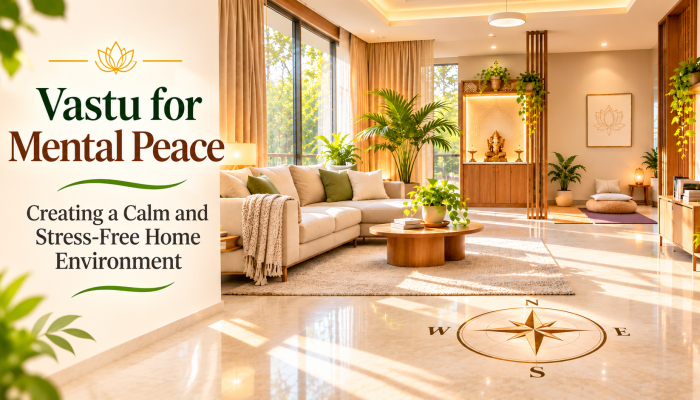
Our home is more than just a place to eat and sleep. It is where we spend time with family, relax after a busy day, manage personal responsibilities, and recharge ourselves. However, a cluttered, poorly organised, or uncomfortable living environment can sometimes make it difficult to feel relaxed and at ease.
Vastu Shastra offers useful principles for arranging living spaces to encourage balance, harmony, and a welcoming atmosphere. From bedroom placement and furniture arrangements to natural lighting, colours, and indoor plants, thoughtful changes can help make your home feel more comfortable and peaceful.
If you want to create a relaxing atmosphere for yourself and your family, here are some practical Vastu tips for mental peace and a stress-free home environment.
In Vastu Shastra, the northeast (NE) direction holds special importance and is associated with clarity, openness, and positive energy.
Keeping this area clean, bright, and free from heavy furniture is a commonly followed Vastu recommendation. Avoid using the northeast corner as a storage space for unwanted items, broken furniture, or unused household belongings.
If possible, create a small meditation corner, prayer space, or quiet seating area in this direction. You can also place a few healthy indoor plants here, provided they receive sufficient natural light.
An open and well-maintained northeast corner can make your home feel more spacious, organised, and welcoming.
The bedroom plays an important role in everyday comfort. It is the space where we unwind, rest, and take a break from our daily responsibilities.
As per Vastu principles, the southwest (SW) direction is generally preferred for the master bedroom because it represents stability and grounding. The south or west may also be considered, depending on the home’s layout.
For sleeping arrangements, it is recommended to position the bed so that your head points towards the south or east. Sleeping with the head towards the north is generally discouraged in Vastu.
Avoid keeping too many electronic devices, unnecessary furniture, or work-related materials inside the bedroom. Choose comfortable bedding, maintain sufficient walking space, and keep the surroundings simple.
A clean and well-arranged bedroom can create a more inviting atmosphere for relaxation.
Colours influence the overall appearance and mood of a room. While bright shades can add energy to certain spaces, bedrooms and relaxation areas often benefit from softer and more balanced colour combinations.
Vastu recommendations generally favour light and soothing shades for spaces intended for rest and relaxation.
Here are some suitable colour choices:
Avoid using too many dark or extremely bright colours in the bedroom, particularly if they make the space feel visually busy.
Choose shades that match your personal preferences and complement the overall interior design of your home.
Having a quiet corner where you can spend a few minutes without distractions can be a valuable addition to your home.
The northeast (NE) direction is considered one of the most suitable locations for a prayer or meditation area in Vastu Shastra. The east and north may also be considered when the northeast is not available.
Keep this space simple, clean, and organised. A comfortable floor mat, a small seating arrangement, soft lighting, and minimal decoration are usually sufficient.
Avoid placing unrelated household belongings, heavy storage units, or unnecessary furniture in this area.
You can use this corner for prayer, meditation, breathing exercises, reading, or simply spending a few quiet moments. Having a dedicated space can encourage a regular routine that gives you time to pause and relax.
A home that receives sufficient daylight and fresh air generally feels more pleasant and comfortable. Proper ventilation also helps prevent dampness and stale indoor air.
Vastu planning gives considerable importance to natural light and ventilation, with the east and north directions often preferred for windows and openings.
Where the building design permits, keep windows in these directions clean and unobstructed. Use light curtains instead of heavy coverings that completely block daylight.
Make sure every room has suitable ventilation. Open windows when outdoor conditions allow and maintain proper airflow throughout the house.
Avoid leaving damp corners, dirty windows, or poorly ventilated spaces unattended. These small improvements can contribute to a fresher and more comfortable living environment.
Sometimes, one of the simplest ways to make a home feel more peaceful is to reduce unnecessary belongings.
Old newspapers, unused clothes, broken appliances, damaged furniture, and unwanted decorative items can occupy valuable space. When things are not properly organised, even a large home can feel crowded.
Vastu places importance on cleanliness, organisation, and maintaining a balanced arrangement of household items.
Pay special attention to the southwest, west, and south areas, which are generally considered suitable for heavier furniture and storage. Keep frequently used spaces accessible and avoid blocking doors, windows, and walking paths.
Make decluttering a regular habit instead of waiting until the house becomes overcrowded.
A well-organised home is easier to maintain and provides a more comfortable setting for everyday activities.
Indoor plants bring a touch of nature into your home. They can brighten empty corners, complement your interiors, and make living spaces feel more welcoming.
According to Vastu guidelines, healthy green plants can be placed in the north, east, or northeast areas, depending on the availability of sunlight and the specific needs of the plants.
Some commonly used indoor plants include:
Choose plants according to the available light and ventilation. Remove dry leaves regularly and avoid allowing plants to become unhealthy or neglected.
Do not overcrowd rooms with too many pots, especially in areas where they may obstruct movement or reduce usable space.
Mirrors are an important part of home interiors. Apart from their practical use, they can make smaller rooms appear brighter and more spacious when positioned thoughtfully.
Vastu guidelines generally favour placing mirrors on the north or east walls. Avoid positioning large mirrors directly opposite the bed, particularly if the reflection makes the sleeping area feel uncomfortable.
Try to ensure that mirrors reflect clean, well-maintained areas rather than cluttered corners or unwanted storage.
Also, avoid keeping cracked, damaged, or distorted mirrors in the house. Make sure they are securely installed and positioned where they do not create unnecessary visual distractions.
A peaceful home is not created through furniture placement alone. Everyday habits and the way family members use their surroundings also play an important role.
Keep the entrance welcoming, maintain cleanliness in common areas, and avoid allowing unused items to accumulate.
Use comfortable lighting in the evening instead of relying entirely on harsh, bright lights. Choose pleasant fragrances only if they are comfortable for everyone in the household.
You can also create a small reading corner, balcony seating area, or relaxation space where family members can spend some quiet time.
Most importantly, make sure your home supports everyone’s daily needs. A practical layout, comfortable furniture, good lighting, and organised surroundings are just as important as Vastu recommendations.
Creating a peaceful home environment does not always require major renovations or expensive interior changes. Simple improvements such as keeping the northeast corner clean, choosing soothing bedroom colours, allowing natural light, and reducing unnecessary clutter can make your living space feel more comfortable.
Vastu Shastra provides guidelines for arranging different areas of the home in a balanced way. However, mental peace also depends on personal habits, relationships, daily routines, and individual well-being. Vastu can be considered a complementary approach to creating a harmonious living environment, not a substitute for professional mental health support when needed.
Whether you are planning a new home or looking to improve your existing space, a personalised Vastu consultation can help you understand how different areas may be arranged according to Vastu principles.
Ready to align your space for health, harmony, and growth?
© 2025-2026 Vaastublessings • All Rights Reserved. Designed by Esuccess Academy